
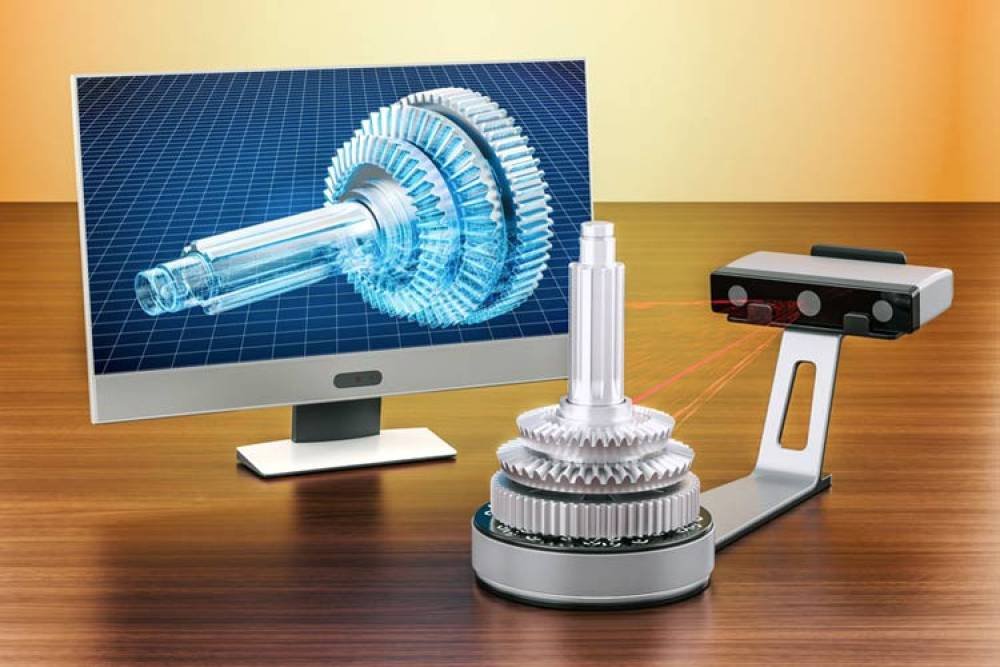
Introduction to 3D Scanning Technology
3D scanning technology has evolved significantly over the years, enabling businesses and individuals to create accurate digital representations of physical objects. This technology is becoming increasingly important in fields such as architecture, healthcare, manufacturing, and even entertainment.
Recent Innovations in 3D Scanning
The latest advancements in 3D scanning technology have made it faster, more accurate, and more user-friendly. Here are some key developments:
- High-Resolution Scanners: New scanners are capable of capturing intricate details with high precision, allowing for better quality 3D models.
- Mobile 3D Scanning: With the rise of smartphones equipped with advanced sensors, mobile 3D scanning applications are becoming mainstream, making this technology accessible to a wider audience.
- Integration with Augmented Reality (AR): 3D scanning can be combined with AR technology to create interactive experiences, enhancing fields like retail and education.
- Cloud-Based Processing: Recent advancements allow users to upload 3D scans to the cloud for processing, making it easier to store and share large files without heavy local hardware.
Applications Across Industries
The versatility of 3D scanning technology makes it applicable in various sectors:
1. Architecture and Construction
3D scans are widely used to create accurate as-built models of buildings, enhancing project accuracy and efficiency.
2. Healthcare
In healthcare, 3D scanning is invaluable for custom prosthetics and surgical planning, allowing for highly personalized patient care.
3. Manufacturing
In manufacturing, the technology aids quality control and reverse engineering processes, optimizing productivity and reducing costs.
4. Entertainment and Gaming
3D scanning is revolutionizing the gaming industry by creating realistic character models and immersive environments.
Flutter and 3D Technology Integration
In tandem with these advancements in 3D scanning, Flutter, Google's UI toolkit for building natively compiled applications, is making strides in integrating 3D technology into mobile apps.
How Flutter Enhances 3D Applications
Flutter's strong community and growing ecosystem of plugins enable developers to incorporate 3D graphics and interfaces into their applications with ease. With libraries such as Flutter 3D, creating visually rich applications is simpler than ever, allowing for:
- Interactive 3D Models: Developers can easily integrate 3D models, enhancing user engagement.
- Augmented Reality Experiences: Flutter supports AR integration, allowing users to visualize 3D scans in real-world environments.
Conclusion
As 3D scanning technology continues to advance, its impact across various sectors will only grow. Coupled with the capabilities of modern app development tools like Flutter, the possibilities for innovation are limitless. Staying updated with these trends can help professionals leverage technology effectively and remain competitive in their fields.